
Wisdom Teeth Assessment & Removal in West Perth
Wisdom teeth do not always need removal. Treatment may be considered when a wisdom tooth is impacted, repeatedly inflamed, difficult to clean or affecting nearby structures. A dental assessment and appropriate imaging help determine whether monitoring, treatment or referral is the best option.
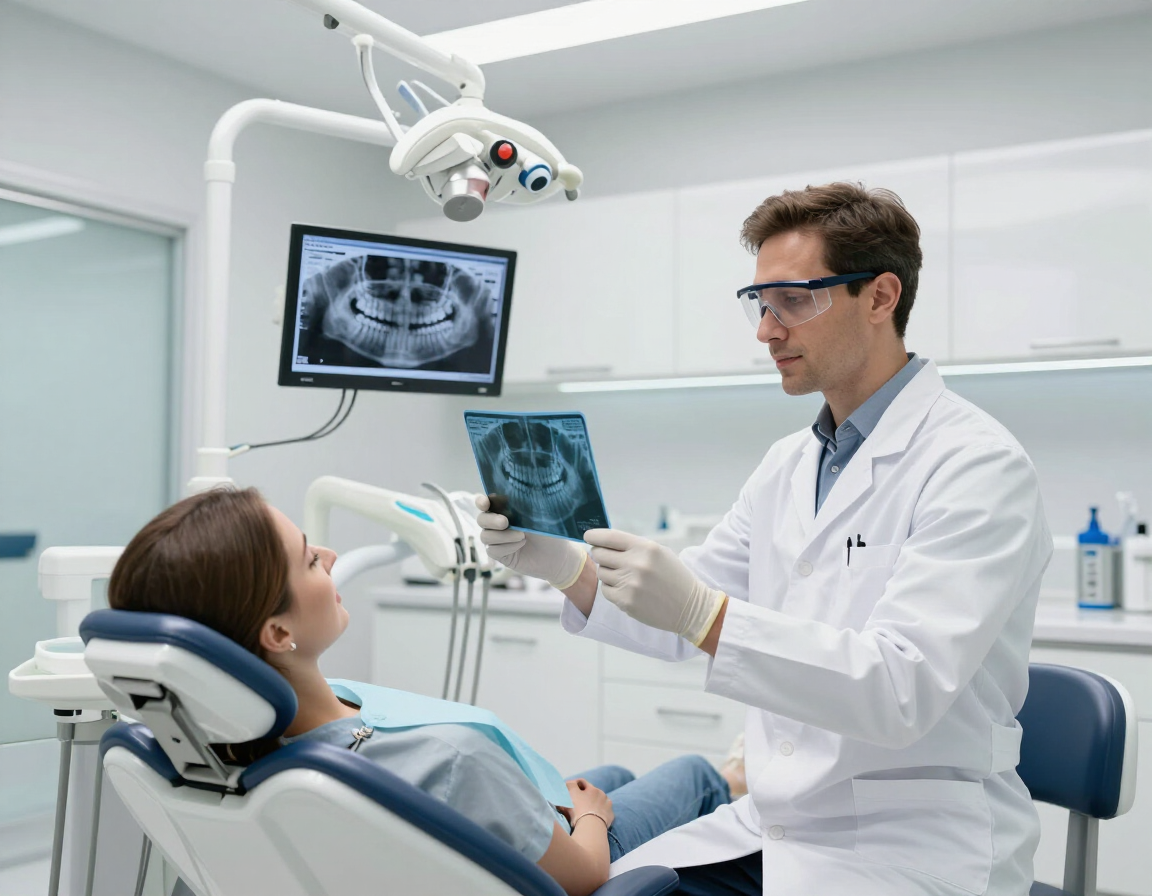
Why WisdomTeeth Can Cause Problems
Wisdom teeth may erupt normally, remain partially covered by gum or become impacted because there is insufficient space or an unfavourable position. Problems can include pain, swelling, infection around a partially erupted tooth, decay or difficulty cleaning the area.
Impacted teeth
The tooth is stuck against bone, gum or another tooth and cannot fully emerge.
Repeated inflammation
Ongoing swelling, tenderness or infection around the tooth keeps recurring.
Difficult to clean
Its position makes it hard to brush and floss properly, raising decay risk.
Affecting nearby structures
Pressure on neighbouring teeth, nerves or bone that may need addressing.
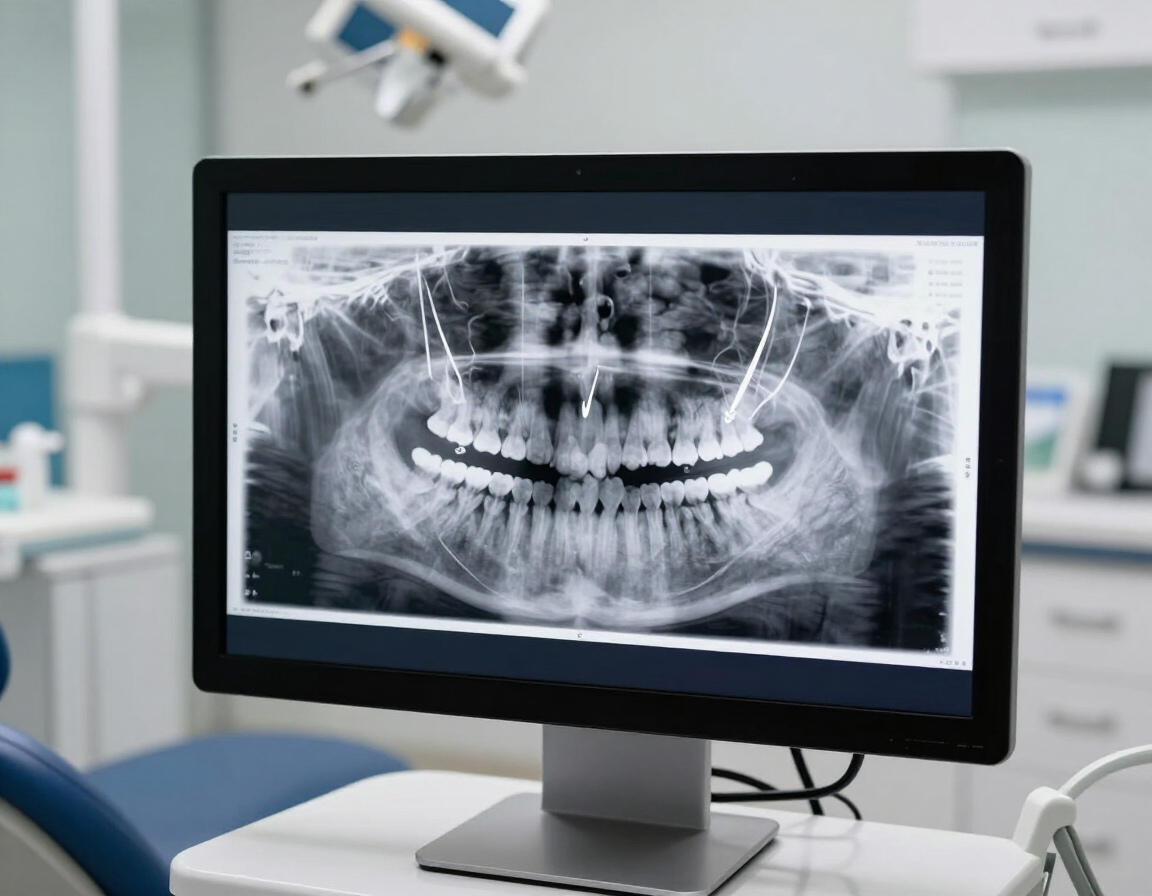
How We Assess Your Wisdom Teeth
The dentist will examine the area, review symptoms and medical history and may recommend imaging to understand the position of the tooth and surrounding structures. Not every wisdom tooth should be removed simply because it is present.
Assessment Before Removal
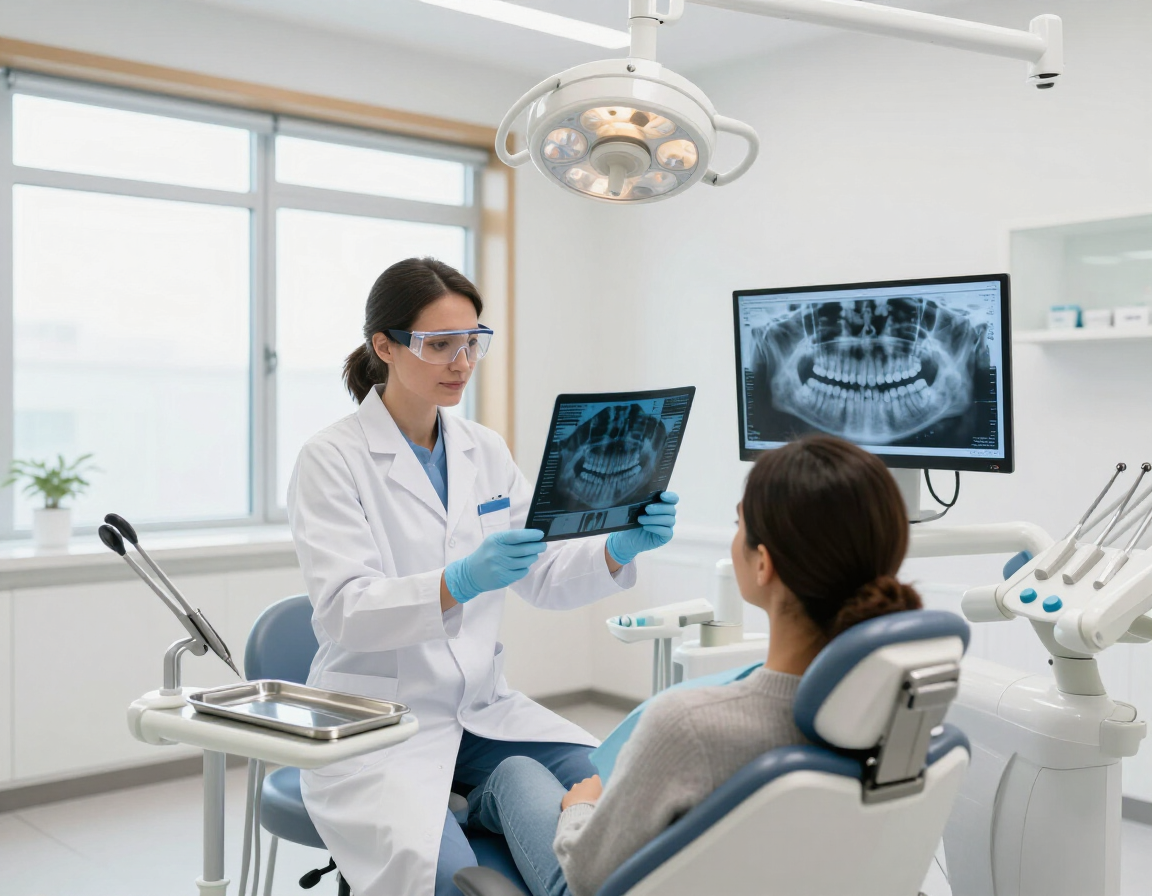
Before recommending removal, our dentist will examine the area, review your symptoms and medical history and may recommend imaging to understand the position of the wisdom tooth and the structures around it. Not every wisdom tooth needs to come out simply because it is present. Where a tooth is healthy, well positioned and causing no problems, we may recommend monitoring instead of treatment.
Comfort and Sedation Options
We use local anaesthetic as standard for wisdom teeth removal, so the area is fully numbed before we begin. Some patients feel anxious about dental treatment or have a more complex procedure ahead, and for these situations additional sedation may be an option to help you feel calmer and more comfortable throughout.
Explain the clinic’s normal anaesthetic and comfort approach. If oral or IV sedation is available, link to the Sleep & Anxiety Dentistry page and publish exact arrangements only after confirming who provides the sedation and under what circumstances.
Local anaesthetic
Our standard approach numbs the area completely so the procedure itself is pain-free.
Feeling anxious?
If dental anxiety makes treatment difficult, visit our Sleep & Anxiety Dentistry page to learn how we can help you feel more at ease.

Recovery
Recovery time varies depending on the complexity of your procedure and your own healing. Our team will give you clear, clinician-approved guidance on managing swelling and discomfort, keeping the area clean, what to eat in the days after treatment and when to get in touch with us if anything feels wrong. Following this advice closely gives you the best chance of a smooth recovery.
Recovery varies with the complexity of the procedure and the patient. Provide clinician-approved advice about swelling, discomfort, oral hygiene, diet and when the patient should contact the clinic after treatment.
Not sure if your wisdom teeth are a concern?
Book an assessment with our West Perth team and get clear, personalised advice on the best next step.
Frequently Asked Questions
Do all wisdom teeth need to be removed?
No. Some wisdom teeth remain healthy and functional. Removal is considered when there is a clinical reason.
How do you know if a wisdom tooth is impacted?
The dentist combines the clinical examination with appropriate imaging where needed.
Can I be sedated for wisdom tooth treatment?
Only describe the sedation options that Advent currently provides and confirm suitability through assessment.



